Falashya Font Review: A Handwritten Script for Elegant Design Needs
Recently, I opened a blank brand board for a boutique stationery shop and immediately reached for my go-to list of script fonts. That’s when I decided to test Falashya, a Script Handwritten Fonts typeface that had been on my radar. I wanted to see how it would hold up in real creative scenarios—logo drafts, business cards, social media layouts, and even product packaging mockups. The results were impressive.
Falashya for Wedding Invitations and Charming Branding
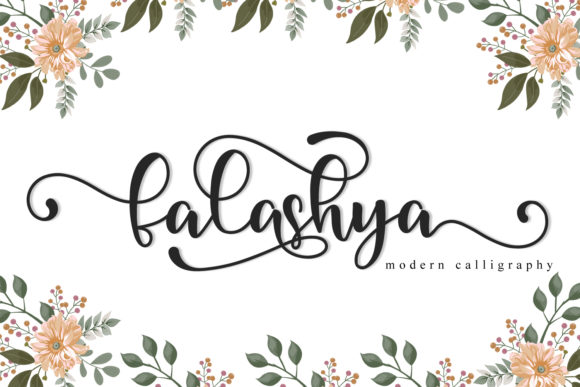
Falashya is the kind of Script Handwritten Fonts that feels both personal and polished. Its flowing strokes and subtle flourishes give it an intimate, handwritten quality without sacrificing elegance. When I used it on a wedding invitation mockup, it instantly elevated the design with a warm, romantic touch. It paired beautifully with a clean serif font for the supporting text, creating contrast while maintaining balance.
The charm of Falashya lies in its versatility within this niche. Whether you’re designing a save-the-date card or a thank you note, it brings a sense of authenticity and sophistication. For branding purposes, especially in niches like lifestyle, wellness, or artisanal products, this font can help establish a heartfelt connection with the audience.
How Falashya Works in Real Logo Concepts
I tried Falashya in a logo draft for a small café refresh project. At first glance, it felt too delicate for a storefront sign, but when I scaled it down for digital use and printed materials, it shone. The fluidity of the Script Handwritten Fonts style gave the logo a soft, approachable vibe that aligned perfectly with the café’s cozy atmosphere.
One thing I noticed was that Falashya works best as a display or headline font rather than for long body copy. Its ornate details can become harder to read at smaller sizes, so I made sure to pair it with a more structured typeface for legibility in secondary elements. If you're using it in a logo system, consider saving it for accents or taglines where its personality can really stand out.
Falashya on Business Cards and Greeting Cards
Next, I tested Falashya on a set of business cards for a handmade greeting card seller. The name of the business was written in Falashya, and the contact info in a minimalist sans serif. The effect was stunning—each card felt handcrafted yet professional. Clients who value authenticity and artistry will appreciate the attention to detail that Falashya offers.
When applied to actual greeting cards, the font added a sense of warmth and sincerity. The Script Handwritten Fonts feel was just right—not too casual, not too formal. This makes Falashya ideal for boutique brands, crafters, and small businesses that want their communication to feel personal yet premium.
Falashya in Social Media Layouts and Web Headers
For a client's Instagram layout overhaul, I used Falashya as the primary header font. The result was visually engaging and aligned with the brand’s voice—creative, expressive, and welcoming. In short phrases like “Welcome Home” or “Handmade With Love,” it brought a human touch that helped increase audience engagement.
On a website hero section, Falashya performed well as a headline. Its unique character set includes elegant swashes and ligatures, which make it perfect for short, impactful statements. However, I did find that it needs careful spacing adjustments in some cases to ensure it doesn’t look cluttered or lose clarity on screens.
What Projects Should Avoid Using Falashya?
While Falashya has a lot going for it, it’s not a one-size-fits-all solution. It’s not suitable for long-form content such as blog posts or product descriptions due to its decorative nature. Similarly, if your brand identity leans into minimalism or requires strict readability (like a corporate report or legal document), this Script Handwritten Fonts may not be the best fit.
I also found that using Falashya in small sizes, such as footnotes or captions, caused the letterforms to lose definition. Stick to headlines, logos, and short quotes where it can truly shine.
Practical Tips for Testing Falashya Before Committing
Before locking Falashya into a final client project, I recommend doing a few quick tests:
- Print it on a business card mockup to see how it looks in physical form.
- Use it in a brand board alongside other fonts to check for visual harmony.
- Place it on a product label or shop sign to assess its performance in different environments.
- Try reading it from a distance—does it still convey the same charm?
These steps help determine whether the font complements the overall brand tone and meets the practical demands of the project.
Font Pairing Suggestions for Falashya
Pairing Falashya with the right supporting fonts is key to achieving balance. Here are a few combinations I’ve found effective:
- Serif font — For editorial designs or wedding invitations, a classic serif like Playfair Display or Lora helps ground the flowy script.
- Sans serif font — Clean sans serifs such as Montserrat or Raleway work great for digital interfaces and secondary text.
- Modern typography — A geometric sans or a contemporary slab serif can add contrast in brand identities that need a bit of edge alongside the handwritten warmth.
Always consider the hierarchy—use Falashya sparingly and let it speak where impact matters most.
Checking Licensing and Commercial Use for Falashya
Before incorporating Falashya into any commercial project, it’s essential to review the licensing terms. Make sure the font supports the intended use—whether it’s for print-on-demand items, digital assets, or full-scale brand identity systems. Some Script Handwritten Fonts restrict usage in certain contexts, so always double-check what's included in the license.
If you plan to use Falashya across multiple platforms—business cards, websites, product labels—you’ll want a font that offers robust webfont support and multilingual options. Confirming these features ensures your brand remains consistent and accessible across all channels.
Falashya for Thank You Cards and Creative Studio Identities
I also experimented with Falashya in a creative studio identity concept. The team name was written in bold Falashya with a light-weight sans serif for the tagline. It created a strong visual identity that felt both artistic and professional. Clients loved the idea of a Script Handwritten Fonts adding a signature-like flair to their brand.
In another case, I used Falashya on thank you cards for a client offering personalized gifts. The font’s charm was exactly what they needed to convey gratitude and sincerity. These kinds of projects benefit greatly from the personality-driven appeal of Falashya.
Final Thoughts on Falashya as a Brand Designer
Overall, Falashya is a standout among Script Handwritten Fonts. It brings a level of elegance and charm that’s hard to replicate with other styles. From the moment I placed it on a logo draft to the time I finalized a packaging mockup, it consistently delivered a warm and refined aesthetic.
It’s not a font for every project, but for those needing a handwritten touch in wedding invites, greeting cards, logos, and short-form branding elements, Falashya is a top contender. Just remember to test it thoroughly, understand its limitations, and pair it wisely to maintain readability and visual balance.
So, if you're looking for a Fonts that adds heart to your designs without losing professionalism, Falashya is worth a closer look—and maybe even a download.