Crayon Box Font: A Versatile Script for Digital Designers
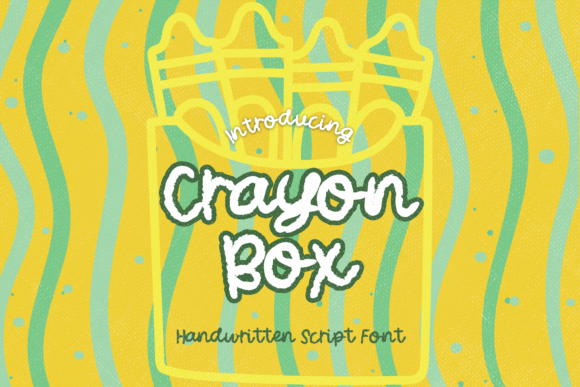
As a web designer, you know the power of typography in shaping user experience and brand perception. Crayon Box is a sweet and friendly handwritten font that brings warmth and personality to your digital projects. Its natural and unique style makes it incredibly fitting to a large pool of designs, from elegant branding to playful landing pages. The only limit is your imagination — but with Crayon Box, you’ll find it’s easier than ever to create visually engaging and emotionally resonant interfaces.
Crayon Box for Creative Portfolios and Brand-Focused Websites
Crayon Box shines when used in creative portfolios or brand-focused websites where a personal touch enhances credibility. This script handwritten font evokes a sense of authenticity and approachability, which can help designers, artists, or small business owners stand out in a crowded market. Whether you're showcasing illustrations, photography, or design services, Crayon Box adds an artistic flair without overwhelming the content.
Use it for headers, project titles, or signature blocks. Its gentle curves and soft character make it feel handcrafted, giving your site a bespoke look. Just ensure you pair it with a clean sans serif font for body text to maintain readability and balance. For example, pairing Crayon Box with Montserrat or Open Sans can create a modern yet warm typographic rhythm.
Boosting User Engagement with Crayon Box on Landing Pages
Landing pages demand a clear visual hierarchy and persuasive tone. Crayon Box is a display font ideal for hero sections and call-to-action areas where emotional appeal is key. Its friendly nature can soften high-conversion layouts, especially in niches like lifestyle, education, or wellness. Think of a course sales page or a coaching website — Crayon Box can add a human element to otherwise formal structures.
- Use Crayon Box for bold headlines that invite connection.
- Keep buttons and subheadings simple to avoid clutter.
- Ensure contrast against background colors for maximum legibility.
Crayon Box for Boutique Online Stores and Product Banners
Boutique online stores often thrive on personality and charm. Crayon Box, as a premium font, helps establish a memorable brand identity while maintaining professionalism. It's perfect for product banners, promotional headers, and seasonal sale graphics. When paired with minimalist layouts and high-quality images, this font can elevate your store’s visual storytelling and drive conversions.
For best results, use Crayon Box in short phrases rather than long sentences. Its script handwritten style works beautifully in taglines or feature highlights. If you’re designing for mobile, consider increasing the font size slightly and using lighter weights to prevent distortion on smaller screens.
Creating Warmth in Blog Headers and Content Sections
Bloggers and content creators looking to inject a more inviting tone into their work should consider Crayon Box. As a typeface with a distinct personality, it adds a layer of friendliness to blog headers, section titles, and pull quotes. This can be especially effective in niches like parenting, food, or lifestyle where a conversational vibe strengthens reader trust.
To maintain scannability, alternate Crayon Box with a neutral body font. You might use it for article titles and then switch to Lato or Roboto for paragraphs. Avoid using it in lengthy blocks of text; instead, let it highlight key points and guide the reader through your content naturally.
Enhancing Visual Hierarchy with Crayon Box in UI Design
In UI design, every element must serve a purpose — and typography plays a critical role. Crayon Box is not a traditional sans serif or serif font, but its structured handwritten form allows it to fit into many visual hierarchies. Use it sparingly for decorative accents, logo text, or microcopy where a whimsical tone is appropriate. It’s particularly effective in app screens that require a light-hearted or educational vibe.
- Hero Titles: Crayon Box adds a personal touch to homepage headlines.
- Buttons and CTAs: Ideal for short, impactful phrases that encourage action.
- Section Headings: Breaks up content while maintaining a cohesive theme.
Crayon Box for Social Media Graphics and Email Templates
Social media platforms and email marketing benefit greatly from expressive fonts like Crayon Box. As a script handwritten font, it conveys warmth and creativity, making it suitable for Instagram posts, Facebook banners, or newsletter headers. However, always test how it looks at smaller sizes — some handwritten styles lose clarity when scaled down.
When using Crayon Box for social media, consider its compatibility with different file formats and platforms. Most premium font providers offer webfont availability, ensuring seamless integration across responsive layouts. Always check for alternates and multilingual support if your audience spans multiple regions.
Using Crayon Box in Branded Web Experiences and SaaS Projects
While Crayon Box may seem like a niche font, it can actually enhance branded experiences in SaaS and tech spaces. Many startups and digital agencies use creative fonts to differentiate themselves from competitors. Crayon Box offers a subtle blend of playfulness and professionalism, making it a great choice for company names, feature highlights, or customer testimonials.
However, since it’s a decorative font, it should be reserved for accents and not overused in interface elements. Balance is key. Pair Crayon Box with a more functional font in navigation bars or footers to preserve usability. This ensures your design remains both stylish and accessible.
Crayon Box for Packaging Design and Digital Ads
If you're working on packaging design or digital ad campaigns, Crayon Box can bring a handmade aesthetic to your visuals. Its unique style stands out in image overlays and quick-read environments such as banners or pop-ups. In these contexts, a handwritten font can convey sincerity and quality, especially for artisanal or organic products.
When designing for dark backgrounds, opt for a lighter weight of Crayon Box to avoid losing contrast. Conversely, on light backgrounds, bolder strokes can help the text pop. Always preview how the font behaves across different devices and screen resolutions to guarantee a consistent look.
Crayon Box in Educational Platforms and Course Sales Pages
Educational platforms and course creators often need a font that feels welcoming and encouraging. Crayon Box fits the bill perfectly. Its script handwritten style gives a sense of guidance and inspiration, aligning well with branding for learning communities, online workshops, or mentorship programs.
Apply Crayon Box in title cards, welcome messages, or course feature lists. For body copy, stick to simpler fonts to keep the focus on the content. Remember, the goal is to build trust and engagement, not confusion. Crayon Box supports that by adding a touch of familiarity and warmth.
Font Pairing Strategies with Crayon Box
Pairing Crayon Box with other Fonts requires a thoughtful approach. Since it’s a decorative script, it pairs best with minimalistic sans serif or classic serif fonts that provide stability. Here are a few combinations to consider:
- Crayon Box + Poppins: A modern and clean layout with a personal twist.
- Crayon Box + Merriweather: Adds elegance to editorial-style websites or blogs.
- Crayon Box + Raleway: Balances creativity with crisp readability in marketing sites.
Experiment with spacing and scale to find the right harmony. The key is to let Crayon Box shine where it belongs — in headers and accents — while supporting it with fonts optimized for reading.
Commercial Font Licensing and Legal Considerations
Before integrating Crayon Box into client projects or commercial websites, verify the licensing terms. Most reputable font foundries offer clear guidelines about usage rights for web design, online stores, and brand assets. Ensure the license covers webfont embedding if you plan to deploy it via CSS on your site.
Also, consider whether the font comes in multiple weights and styles. Some versions of Crayon Box may include ligatures or special characters useful for branding. Knowing what's included will help you maximize its value in your design toolkit.
Why Choose Crayon Box for Your Next Project
Crayon Box isn’t just another decorative script. It’s a versatile handwritten font that blends seamlessly into a wide range of digital experiences. From boutique e-commerce to professional SaaS dashboards, it adapts to your vision while adding a layer of authenticity and charm. Its adaptability means you don’t have to compromise between aesthetics and functionality.
By choosing Crayon Box, you’re investing in a font that elevates brand tone and supports conversion-focused layouts. It’s a design asset that reflects attention to detail and an understanding of modern typography trends. With proper use, it can become a cornerstone of your brand identity, helping you communicate with clarity and character.
Practical Tips for Implementing Crayon Box in Responsive Layouts
Responsive design demands flexibility. When using Crayon Box in your web projects, follow these practical tips to ensure it performs well across all devices:
- Limit its use to non-essential but impactful elements like headings and logos.
- Optimize line height and letter spacing for better scanning behavior.
- Test its appearance on mobile to avoid blurriness or misalignment.
- Use fallback fonts in case of loading issues to maintain consistency.
These considerations help maintain the integrity of Crayon Box while keeping your site fast and accessible. A little care goes a long way in ensuring your chosen script handwritten font doesn’t become a liability in performance or user experience.
Adding Personality to App Screens and Interactive Interfaces
App designers often overlook the emotional impact of typography. Crayon Box is a great tool for injecting personality into interactive interfaces. Use it for welcome screens, motivational messages, or feature labels where a friendly tone is needed. But remember, handwritten Fonts can sometimes interfere with accessibility — so always provide alternatives or fallback options for users who prefer system fonts.
Its soft edges and fluid lines also make it a good candidate for hover states, animations, or transitions that involve dynamic text. Just be cautious with small buttons and icons; Crayon Box works best in larger, more prominent placements.
Crayon Box in Logo Design and Brand Kits
Logo design is one of the most crucial aspects of brand identity. Crayon Box brings a sense of approachability and originality to logotypes, especially for brands targeting younger audiences or those in creative industries. It’s a font that communicates “handmade,” which is powerful for businesses like craft shops, design studios, or independent consultants.
When incorporating Crayon Box into a brand kit, consider how it translates across various mediums — from print materials to digital ads. A strong brand identity relies on consistency, so make sure to define how the font is used in different contexts to maintain coherence.
Final Thoughts on Crayon Box and Modern Typography
Crayon Box is a testament to the evolving role of handwritten Fonts in digital design. It proves that a script typeface can be both expressive and usable when applied thoughtfully. Whether you’re building a portfolio site, optimizing a landing page, or crafting a brand new identity, Crayon Box has the potential to make your work stand out — as long as you understand its strengths and limitations.
So, take the time to explore its applications, pair it wisely, and leverage its personality to connect with your audience. The only limit is your imagination — and with Crayon Box in your arsenal, the possibilities are endless.